The modern deskbound dilemma
Modern life has made a lot of things easier. We can order food, book meetings, answer emails and manage half our lives from our phones, which is brilliant until you realise how much of the day is spent sitting down. Between long commutes, desk-based jobs and hours hunched over laptops and mobiles, it is no surprise that posture, energy levels and mobility can start to suffer. Add a busy schedule, constant notifications and the pressure to be “always on”, and finding time to exercise can feel like another job on the list. Pilates offers a more realistic way in. It is focused, efficient and designed to help your body feel stronger, more mobile and better prepared for the demands of working life.
Why choose pilates when time is tight
Most people do not have hours to spend training each week. They want something that feels worthwhile, fits around work and does not leave them wiped out for the rest of the day. That is where Reformer Pilates works particularly well.
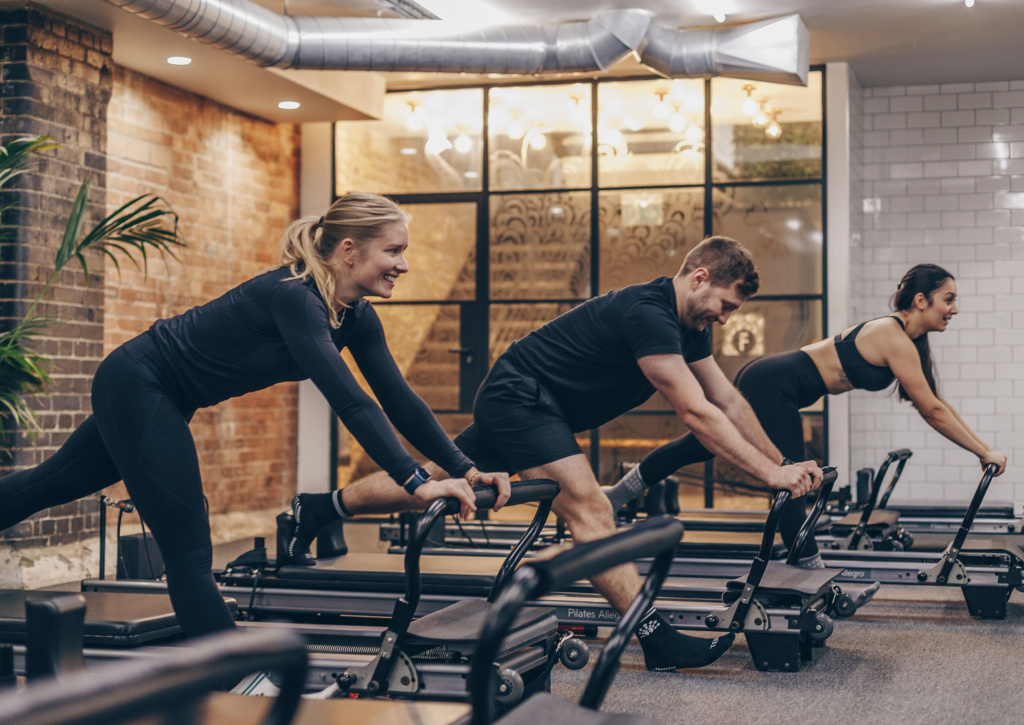
In one class, you can work on strength, mobility, posture and control without having to split your week between lots of different types of training. The Reformer adds resistance, support and variety, so the session can be challenging without feeling punishing. For someone fitting a class in before work, during lunch or after a long day, that balance is a big part of the appeal.
Being low-impact, it’s a good option if your body already feels tight from commuting and spending long hours sitting at a laptop. You are still working hard, but in a more controlled way. The focus is on moving well, building strength properly, and helping the body feel better, rather than simply pushing through a workout for its own sake.
There is a mental benefit, too. For 45 to 50 minutes, you have to concentrate on what your body is doing. That makes it much harder to think about emails, meetings or everything else waiting on your to-do list. A good class can feel like a reset, helping you leave clearer, calmer and better able to get back into the rest of your day.
Over time, our customers see that those small, consistent sessions start to add up. You may notice better posture, greater mobility, stronger core control, and fewer everyday aches associated with desk-based work. Because the sessions are varied and the benefits feel practical, it is easier to keep coming back, which is often the most important part of any fitness routine.
Why Reformer Pilates works so well when you’re always on the go
When time is tight, the best workout is the one that gives you the most value from the time you have. That is where Reformer Pilates comes into its own.
Unlike some forms of exercise that focus mainly on strength, cardio, or flexibility separately, Reformer Pilates brings several benefits together in a single focused session. Using the Reformer machine, with its moving carriage and adjustable resistance, you can work on strength, mobility, posture, balance and control at the same time. It means you are not trying to squeeze separate workouts into an already packed week.
It is also easy to adapt. If you are new to Pilates, the resistance can be reduced, and the movements can be kept simple while you build confidence. If you are more experienced, the same machine can make the session more challenging, more dynamic and more targeted. That flexibility makes it a great option for busy professionals who want something effective but not punishing.
Compared with mat Pilates, Reformer gives more support, more resistance and more variety. Mat Pilates is brilliant for learning the basics of breath, alignment and core control, and it can be done almost anywhere. But the Reformer helps you get more from each movement, particularly when it comes to building strength and improving posture, targeting areas that often suffer from desk-based work, such as the back, shoulders, hips and core.
It can also be a smarter alternative to high-impact workouts when your body already feels tired from work, commuting or long days at a desk. You still get a proper workout, but without the same level of impact on your joints. Our classes add pace, resistance and functional movement, helping you leave feeling stronger, more mobile and more energised, without needing to spend hours in the gym.
Key health benefits for office workers
Posture and spinal health
Hours spent sitting cause the shoulders to round and the spine to slump. Pilates re-educates the body to hold a neutral spine and engage deep stabilising muscles. Strengthening the core and back muscles alleviates lower back pain and reduces tension in the neck and shoulders. Improved posture also enhances confidence and makes everyday tasks feel easier.
Core strength and stability
Every Pilates exercise originates from the centre. As you learn to activate the transverse abdominis, pelvic floor and oblique muscles, you build a solid foundation for all movement. A strong core supports the spine during long hours at a desk or reduces the risk of injuries from more manual tasks at work. Core strength also improves athletic performance and makes other activities – from running to weight training – more efficient.
Flexibility and mobility
A lot of people who spend their day at a desk notice the same things: tight hips, stiff shoulders, heavy legs and that general feeling of being a bit “stuck” after hours of sitting. Pilates helps by getting those areas moving again, using controlled movements that stretch and strengthen at the same time.
Over time, that can make everyday movement feel easier. You may find it more comfortable to sit through long meetings, travel, walk, train or simply get through the day without feeling as stiff. Better mobility also supports balance and coordination, which is useful not just in class, but in how your body moves outside the studio too.
Injury prevention and rehabilitation
Pilates can also be a good option if you are coming back from an injury, dealing with recurring niggles or simply trying to look after your body before small issues become bigger ones.
Because the movements are controlled and low-impact, you can build strength without putting unnecessary pressure on your joints. The focus is on moving well, improving alignment and strengthening the areas that support your body day to day. That can be especially useful if you sit for long periods, train regularly, or have started noticing the same aches keep coming back.
At Ten, Pilates and physiotherapy sit closely together, so there is a clear link between movement, recovery and long-term body maintenance. It is not just about getting through a class. It is about helping you move better, feel stronger and stay active for longer.
Mental well-being and stress management
For many busy professionals, one of the most useful parts of a class is the break it provides from work. Not the kind where you are still half-checking emails or thinking about the next call, but a real pause. For 45 to 50 minutes, your attention is on your breathing, your movement and what your body is doing.
That focus makes it harder for your mind to wander back to deadlines, meetings or your inbox. In that sense, a session can feel like a reset. You leave feeling as though you have created a bit of space in the day, rather than just squeezed in another task.
There is a knock-on benefit too. When you have had time to clear your head, it can be easier to return to work feeling calmer, sharper and more productive. You may not have solved everything on your to-do list, but you are often in a better place to deal with it.
Fitting Pilates into a busy schedule
The hardest part is rarely the class itself. It’s finding a slot in the week that isn’t swallowed by work, travel, calls, and ad-hoc meetings.
That is why it helps to keep the plan simple. One class a week is a perfectly good place to start. It gives you a routine without making your week feel more crowded than it already is. Once that time starts to feel normal, it becomes much easier to build from there.
Some people prefer an early class, before the day has had a chance to run away with them. Others like coming in at lunchtime, especially if they need to step away from a screen and reset. An evening class can work well too, particularly if you want something that marks the end of the working day and helps you leave it behind.
The main thing is to book it before the week fills up. If it is already in your diary, you are much less likely to treat it as optional. You do not need to overhaul your whole routine either. For many people, one regular class is enough to start feeling less stiff, more mobile and a bit more in control of how their body feels day to day.
It also sits well alongside other training. If you run, lift weights, cycle or do yoga, Pilates can help with the bits that often get missed, such as posture, control, alignment and mobility. Think of it less as another thing to squeeze in, and more as the session that helps everything else work better.
Finding the right Pilates studio in London
Choosing a studio close to work or home reduces travel time and increases the likelihood of attendance. Ten Health & Fitness operates multiple studios across London, including locations in Chiswick, City (Liverpool Street), Fitzrovia, Hatton Garden, King’s Cross, Little Venice, Nine Elms, Notting Hill, Notting Hill Gate and St James’s. Each studio offers dynamic reformer classes, physiotherapy, massage and personal training under one roof. Their Circle of Care ensures trainers and therapists work together to customise programmes and track progress.
When choosing a class:
- Beginner, intermediate or advanced: Choose the class level that feels right for where you are now. If you are new to the Reformer, start with a beginner class so you can get used to the machine, the pace and the main movements. As you feel more confident, you can move into intermediate or advanced sessions, where the resistance, control and coordination become more challenging. The aim is to progress steadily, not rush into a class that feels too much too soon.
- Small class sizes: Look for studios that limit numbers so the instructor can provide hands-on corrections. Ten’s classes are capped to ensure personal attention.
- Expert instructors: Qualified instructors with physiotherapy or movement backgrounds can modify exercises for injuries and tailor the workout to your needs.
Tips for getting more from your classes
You do not need to treat Pilates like a complete lifestyle overhaul. In fact, you are more likely to stick with it if you start realistically. One or two classes a week is a strong starting point, especially if your diary is already busy. Pay attention to the small changes first, like feeling less stiff after work, standing a little taller or finding certain movements easier than they were a few weeks ago.
It is worth wearing something comfortable that lets you move properly. Fitted clothing can help your instructor see your alignment, and grip socks are useful on the Reformer, especially when you are getting used to the machine.
The other important thing is to be honest about how your body feels. If you are carrying an injury, recovering from something, or notice a movement does not feel right, let your instructor know. A good class should challenge you, but it should not feel like you are pushing through pain just to keep up.
Try not to rush in straight after a heavy meal, and keep water with you if you need it. A light snack before an afternoon or evening class can help if you are coming straight from work and running on empty.
Outside the studio, the basics still matter. Sleep, regular movement, decent food and taking proper breaks from your desk will all help you get more from each session. Pilates can do a lot, but it works best when it is part of a routine that helps you feel better day to day, not just for the 50 minutes you are in class.
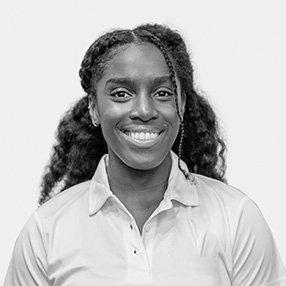
Expert Opinion – Juanita Jordan – Physiotherapist
“For busy professionals, Pilates offers a smart, efficient and sustainable approach to fitness that fits seamlessly into modern life. Strengthening your core, improving flexibility and correcting posture helps counter the detrimental effects of long hours at work.
Dynamic reformer classes provide a time-efficient, whole-body workout that delivers results fast. Perhaps most importantly, Pilates cultivates mental clarity and resilience to stress, helping you feel energised and balanced amid the pressures of work.”