1. Sign up to create your account
It’ll only take a couple of minutes, tops.
2. Buy the intro offer
3. Book your first class
You’re welcome at any Studio, any time (excluding Little Venice). If it’s a Dynamic Reformer Pilates class, your first one should be a Beginners. If you’d rather book your first class by phone, call your preferred Studio.
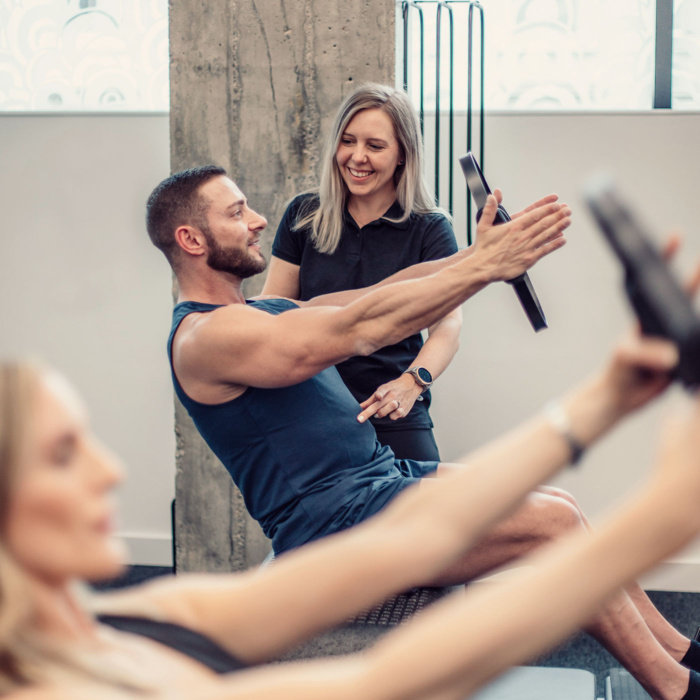
A better way to begin
Our Reformer Pilates classes are designed for people of any age, experience or fitness level. You do not need to have done Pilates before, and you do not need to feel “fit enough” to begin.
Our teachers will guide you through the class, help you feel comfortable on the reformer, and make sure you are working at the right level for you.
Why start at Ten?
- Small classes, expert attention:
Our class sizes are kept small so your teacher can get to know you, support your technique and help you get more from every session. - The right place to start:
If you’re new to Reformer Pilates or new to Ten, we strongly recommend starting with a Beginners class. It’s the best way to get familiar with the reformer, understand the foundations of our method and feel confident in class from the outset.
If you’ve used a reformer before, a Beginners class is still a helpful place to start. Every studio teaches a little differently, and our reformers and approach may not be the same as those you’ve used elsewhere.
However you choose to start at Ten, we look forward to welcoming you. - Beginner, Intermediate & Advanced Levels:
Learn the basics and get familiar with the moves, then you can push yourself and step up to the next level. We're also one of the only studios in London to offer transition classes.
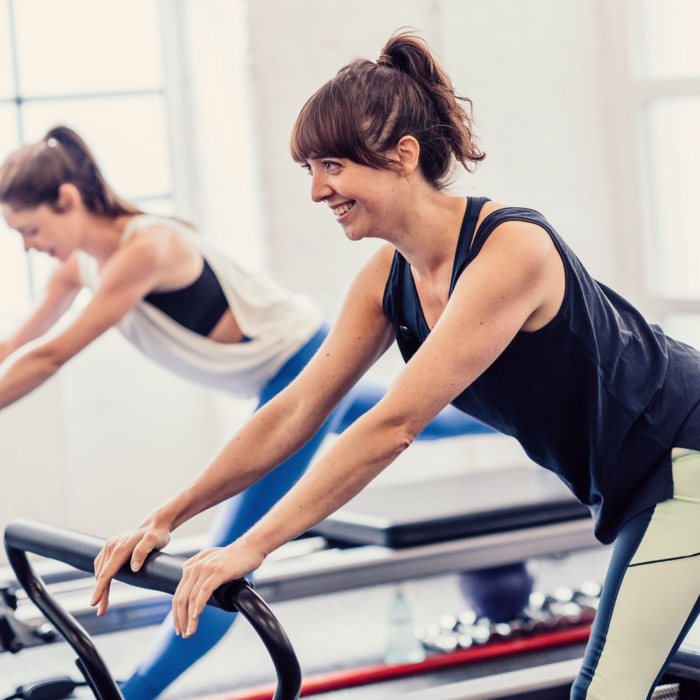
Find out more
If you’d like to know more about classes at Ten, what to expect and what to bring you’ll find some helpful links below:
– Find a class
– Read more about Beginners Pilates classes
– Read our FAQ’s
– Find a Studio
WHAT PEOPLE SAY ABOUT TEN
-
“I have been to a lot of top boutique studios and Ten is very much up there with the best! The facilities are fantastic, it is a really clean and slick space with everything you would need. The staff were friendly and helpful and the class instructor was great!”
Samantha
-
“Fantastic Pilates classes with knowledgeable and friendly staff. The classes are small so you get a lot of coaching and attention which is really helpful for a beginner! Well maintained and clean facilities. Reception are also super lovely and friendly!”
Poppy
-
“Love this place. The best teachers & a range of classes for all levels - all super effective, so you always get a great pilates workout.”
Jo
-
“I really have a lot of love for reformer pilates and Ten. All the teachers are great, the classes are always challenging and fun and the facilities are really good.”
Shaheed
FAQ
GOT QUESTIONS?
WE’VE GOT ANSWERS!
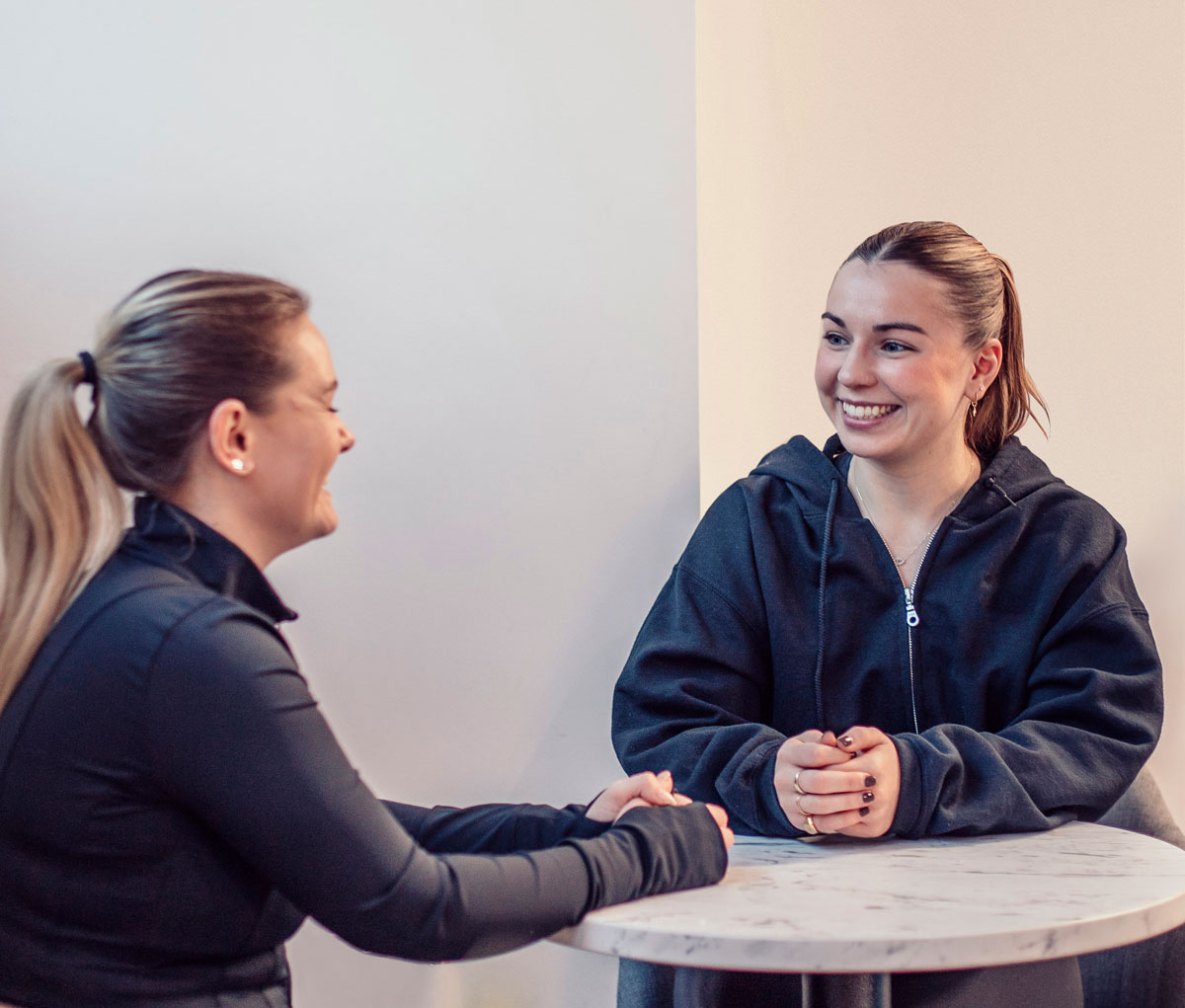
Still have questions? Read our full FAQs or contact our team, and we'll be happy to assist
-
Which class is best for my first time doing Reformer Pilates?
If you’re new to Reformer Pilates or Ten, we recommend starting with a Beginners Pilates Class. It’s not a reflection of your strength or fitness, but advised to help you get comfortable with the Pilates Reformer, understand the terminology we use and learn the techniques involved.
-
Who can do Reformer Pilates?
At Ten you must be 18 or over to attend classes. However Pilates can be done by anyone, of almost any age, exercise history or ability. Its many benefits include:
- It’s low impact, so kind to bones and joints.
- It’s rehabilitative, so it doesn’t just make you fitter and stronger, it also helps prevent injury.
- Exercises can be modified to compensate for a client’s injury, areas of weakness and/or reduced mobility.
- Pilates is highly effective for helping mothers-to-be cope better with pregnancy and recover faster after childbirth.
- It’s also a great workout for men, because it’s not only an integrated and full-body programme, but also improves posture, flexibility and balance – all areas where men are traditionally weak.
- Pilates is as effective at helping people recover from injury as it is at improving sporting performance.
- Pilates has even been shown to improve mental and physical wellbeing for menopausal and post-menopausal women.
-
I have an injury – or am recovering from one – can I still do a Ten class?
If you have suffered a significant injury – either recently or in the past – you will need to speak to our Trainers before attending a class. Depending on the severity of the injury and the extent of your recovery from it, you may need to consult a doctor for a medical clearance form.
-
What should I wear to a Pilates Class?
Wear comfortable clothing that will allow you to move freely (and to sweat). Usually a t-shirt or vest and shorts or leggings. While you should be comfortable, tops should be close-fitting enough for you to be able to monitor and correct your posture and body shape during exercises.
At Ten, we also ask you to wear grip socks for all Reformer-based sessions.
-
How often should I come to classes?
Whilst this is the most common question asked, the answer is always different. Your personal goals, exercise history and general level of fitness will all determine the impact that exercise has on your body, and the frequency that will best help you achieve the results you’re looking for. Please speak to a Trainer for your individual assessment.
-
How can I learn more about Reformer Pilates?
Our blog has all the advice you could want. From essential equipment, to health benefits. From sports specific advice to tips to maximise your workout our blog should be your first port of call for all things reformer pilates.
-
What is Dynamic Reformer Pilates?
Dynamic Reformer Pilates is the latest iteration of the traditional Pilates discipline, performed on the Pilates Reformer and updated for the way we live and work now. It offers all the muscle toning, posture-aligning, injury preventing, mobility-enhancing and core strengthening benefits of classical Pilates but goes a step further.
As the name suggests, Dynamic Reformer Pilates is more intense and dynamic, Movements are still precise and controlled, but at Ten we link them into a smooth, continuous flow with fewer pauses. We add more ‘functional’ exercises – working the core muscles in combination with additional muscle groups – to increase the intensity of the overall movement and deliver cardiovascular conditioning benefits.
We focus on duration of the exercise to create greater muscle fatigue, and use your bodyweight and the Reformer to intensify the movement of the larger muscle groups to create a highly effective and time-efficient full body workout.
- Expect your instructor to put their hands on you from time to time. It’s the most effective way for them to correct your form or posture and make sure you’re set up to get maximum benefit from your session.
- If you want to see benefits, frequency is key. If you train 3 times a week you’ll be amazed how fast you progress.
- Know when to stop. Don’t be tempted to keep going until you can’t do a single more rep. Technique fails before muscles do, and that‘s how injuries happen. Instead, keep going until you can’t do another rep without losing your form or technique. Then shake it out, and if necessary reset, and go again.
- If you find yourself shaking during a hold. Don’t worry. It’s supposed to happen. That’s what hard-working muscles do.
- Don’t worry about what the person on the next reformer is doing. The only person you’re in competition with is yourself.