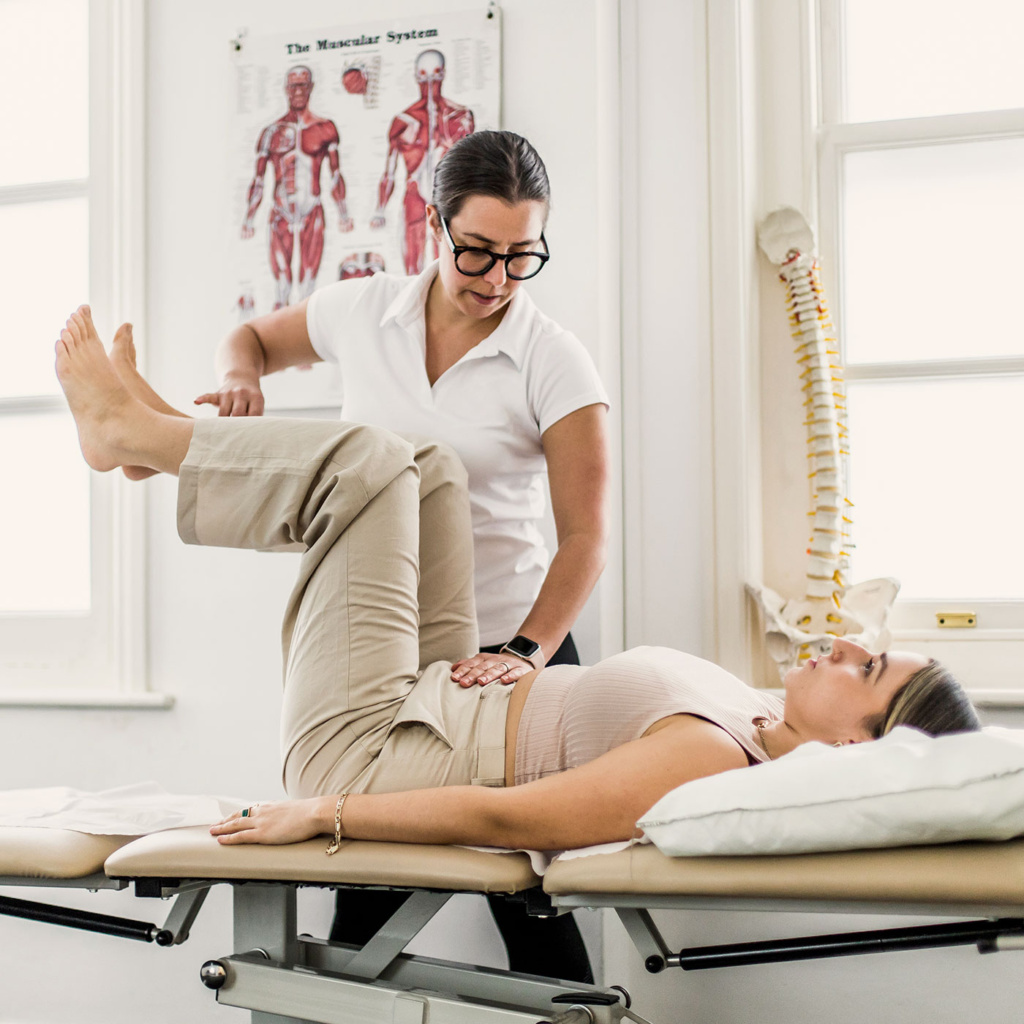
Women's Health Physiotherapy
Women’s Health Physiotherapy is a specialised physiotherapy service aimed at treating the broad spectrum of physical changes and issues that occur throughout a woman’s life, with particular focus on the pelvis and pelvic floor. This includes:
- the management of hormonal changes
- pre and postnatal rehabilitation
- peri and post-menopausal care
- pre and post-surgical rehabilitation
While the incidence of pain, dysfunction, and injury in these areas is all too frequent, many of these issues are preventable and/or treatable, given prompt intervention.
Unsurprisingly, The World Health Organisation recommends that all women should have access to Pelvic Health Physiotherapy. NHS England (NHS England 2022) have also recognised the failing in service provision and stated that physiotherapy is by far the most cost-effective intervention for preventing and treating incontinence and prolapse.
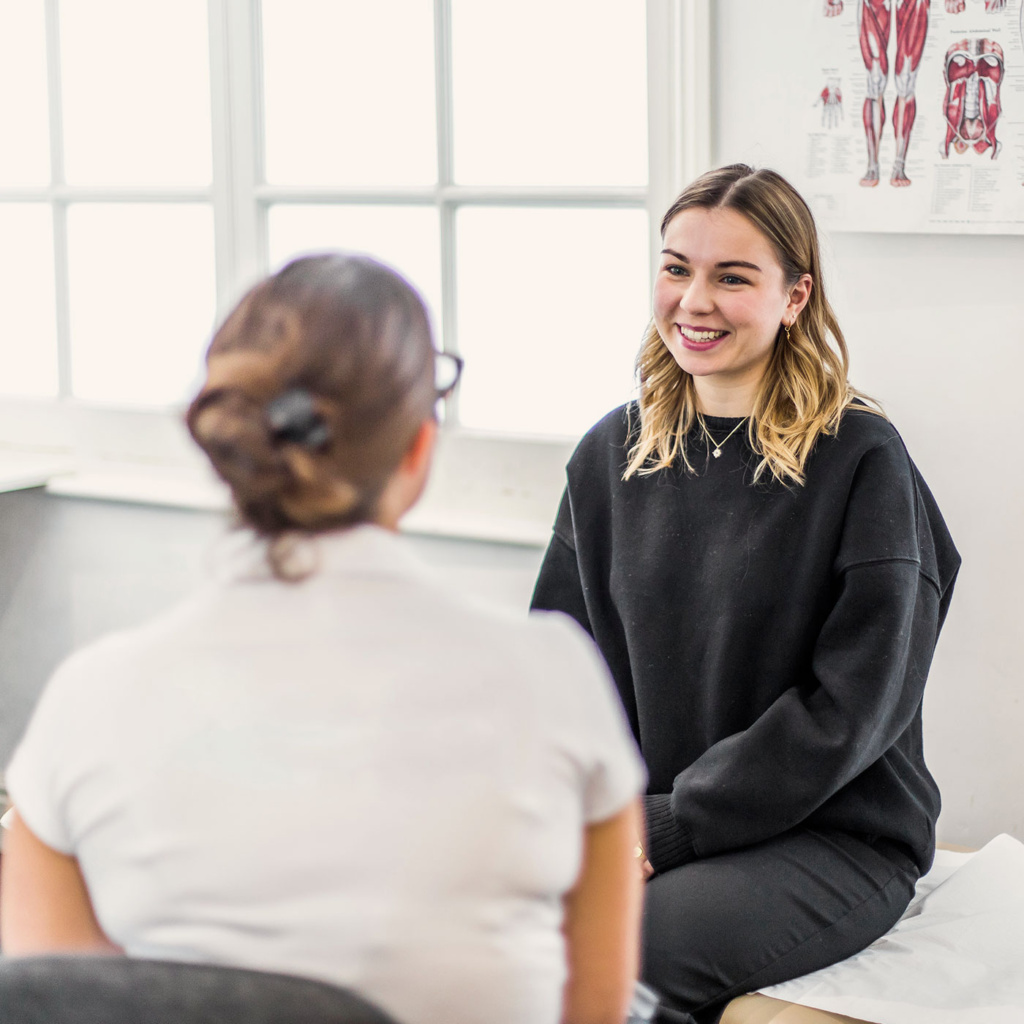
Initial Assessment
An initial appointment will involve both a subjective and objective assessment, carried out by a specialist Women’s Heath Physiotherapist.
In the subjective assessment, we’ll ask you a number of specific and targeted questions to help us better understand your symptoms, the underlying issue or condition and any contributing factors. (This may include personal questions around bladder/bowel function and full Pelvic Health screenings).
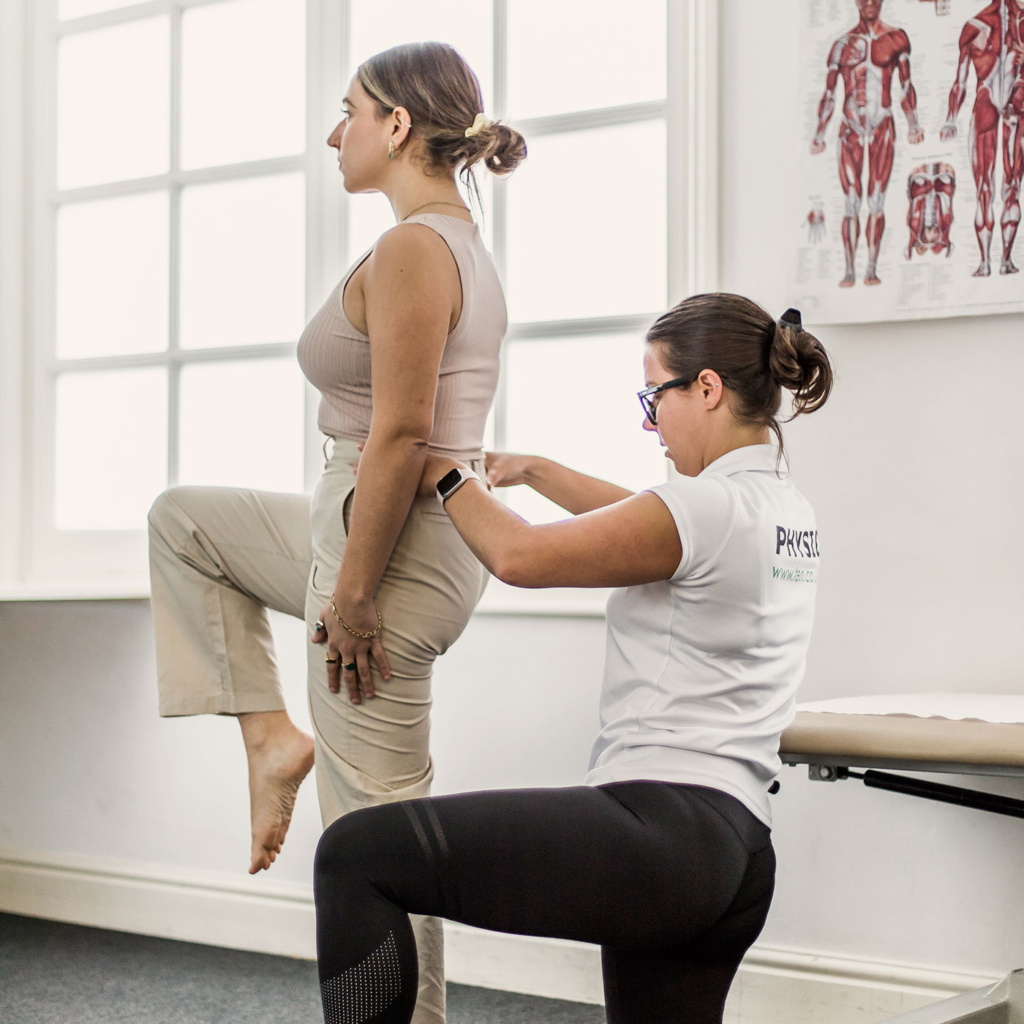
In the objective assessment, we’ll look at the physical impact of your symptoms and we’ll also assess your posture, movement patterns, and muscle and joint strength and stability, to give us further insights into the underlying cause.
If it is warranted and you consent to it, we may also carry out an internal pelvic floor assessment to assess the strength and control of the pelvic floor and the integrity of the tissues. (If an internal examination is required, we will offer you the option of a chaperone.)
Your Physio will then explain the diagnosis not just of the immediate issue and symptoms but also of the underlying cause. She will then discuss your treatment and rehab plan and help you understand what to expect as your programme progresses.
Ongoing Support
Ten’s specialist Women’s Health Physiotherapists provide treatment for a range of conditions, amongst them:
- Bowel issues
- Urinary and faecal incontinence
- Pelvic floor issues
- Endometriosis
- Polycystic ovary syndrome
- Pelvic pain
- Menopausal incontinence and musculoskeletal issues
- Prolapse
- Post surgical rehabilitation
- Pain with Sex
- Vaginismus
If you have questions or would like to talk in confidence to one of our Women’s Health Physiotherapists, please contact us.
NEED HELP?
Speak to a Pelvic Health Specialist
Chartered & Regulated
All of our physiotherapists are Chartered, which means they are governed by the
Chartered Society of Physiotherapy and adhere to professional standards, including
the CSP’s Rules of Professional Conduct. Additionally, all physiotherapists are
registered with the Health and Care Professions Council, an independent UK-wide health regulator.
FAQ
About Women’s Health Physiotherapy
Still have questions? Read our full FAQs or contact our team, and we'll be happy to assist
-
What is Women’s Health Physiotherapy?
Women’s Health Physiotherapy helps women manage pelvic health conditions and physical changes throughout every stage of life. It can support symptoms related to the bladder, bowel, pelvic floor, pregnancy, postnatal recovery, perimenopause, and menopause.
Common conditions treated include:
- Urinary incontinence
- Overactive bladder
- Chronic pelvic pain
- Constipation
- Endometriosis-related symptoms
- Pelvic floor dysfunction
- Menopause-related pelvic health concerns
The goal of treatment is to reduce symptoms, improve function, and support lasting well-being.
-
What can I expect from a Women’s Health Physiotherapy appointment?
Your first appointment starts with a conversation about what has been going on, how long it has been affecting you and what you would like to feel more confident doing again. Your physio will ask about your medical history and assess what may be contributing to the problem before talking you through the next steps.
Bladder and bowel symptoms
People often come in because bladder or bowel symptoms have begun to affect their daily lives. This might include:
- Leaking when you cough, sneeze, run or exercise
- Needing to rush to the toilet
- Going to the toilet more often than usual
- Constipation or difficulty emptying your bowels
- Loss of bowel control or urgency
Treatment may include:
- Exercises to strengthen or relax the pelvic floor
- Ways to improve bladder control
- Day-to-day habits that may be affecting symptoms
- Advice around fluid intake
- Toileting positions and techniques
Pelvic pain conditions
Pelvic pain can feel different from person to person. It may be linked to a diagnosed condition, pelvic floor sensitivity, or pain that has built up over time.
This can include symptoms linked to:
- Endometriosis
- Polycystic Ovary Syndrome, also known as PCOS
- Vulvodynia
- Vaginismus
Treatment may involve:
- Manual therapy
- Work to reduce pelvic floor tension
- Acupuncture
- Gentle exercise and movement work
- Breathing and relaxation techniques
- Education to help you understand and manage pain
Perimenopause and menopause support
During perimenopause and menopause, hormonal changes can affect strength, pelvic floor function, bone health, and general well-being. Physio can help you manage those changes and keep moving with more confidence.
Support may include:
- Pelvic floor rehabilitation
- Bone health exercises
- Strength training
- Advice on managing symptoms
- Support with staying active and feeling well
-
Do you offer private Women’s Health Physiotherapy appointments?
Yes, we offer private Women’s Health Physiotherapy appointments.
Appointments can be:
- Self-funded
- Covered by private medical insurance
Our physiotherapists are registered with most major Health Insurance Providers (including Bupa and Axa PPP). To book with us, you’ll need to contact your insurer to obtain a pre-authorisation code. You’ll then need this code, along with your provider number, to complete your booking.
-
What happens during an internal pelvic floor assessment?
An internal pelvic floor assessment measures the strength, coordination, and function of your pelvic floor muscles. The assessment is recommended by NICE guidelines and is considered the most accurate way to assess pelvic floor function.
During the assessment:
- You will be seen in a private treatment room.
- Your Physiotherapist will explain the process and answer any questions.
- You will be given privacy to remove your lower clothing.
- A towel will be provided for comfort and coverage.
- A lubricated, gloved finger will be gently inserted into the vagina.
- You will be asked to perform simple pelvic floor contractions.
- Your Physiotherapist will assess muscle strength and function.
The assessment usually takes around 10 minutes.
You are always in control and can stop the examination at any time.
-
What should I wear to a Women’s Health Physiotherapy appointment?
Wear comfortable clothing that allows you to move easily during your assessment and treatment.
We recommend:
- Leggings
- Shorts
- Sports tops
- Loose-fitting exercise clothing
These clothes help your Physiotherapist assess your posture, movement, and muscle function more effectively.
-
Is Women’s Health Physiotherapy only for pregnant women?
No. Pregnancy and postnatal recovery are a key part of Women’s Health Physiotherapy, but they are not the only reasons to see a physio.
You can also book an appointment if you are experiencing pelvic floor symptoms, bladder or bowel issues, pelvic pain, pain during sex, prolapse symptoms, menopause-related changes, or if you are recovering after gynaecological surgery.
So, you do not need to be pregnant or recently postnatal to get support. If the issue affects your pelvic health, movement, comfort or confidence day to day, a Women’s Health Physio may be able to help.
-
Can Women’s Health Physiotherapy help with urinary incontinence?
Yes. Physiotherapy is a key non-surgical option for urinary incontinence and bladder control problems. Treatment usually starts by understanding how your pelvic floor and bladder are working, then building a plan to improve control, confidence and day-to-day comfort.
This may include pelvic floor rehabilitation, bladder retraining, practical lifestyle advice and exercises you can continue between appointments. The aim is to help you manage symptoms more effectively and feel more confident in everyday activities, exercise and movement.
-
Can Women’s Health Physiotherapy help during menopause?
Yes. Physiotherapy can be helpful during perimenopause and menopause, particularly as hormonal changes can affect pelvic floor function, muscle strength, bone health and general wellbeing.
Treatment can support pelvic floor control, improve strength, encourage safe and effective exercise, and help you stay active with more confidence. It can also form part of a wider approach to maintaining mobility, comfort and physical wellbeing through menopause and beyond.