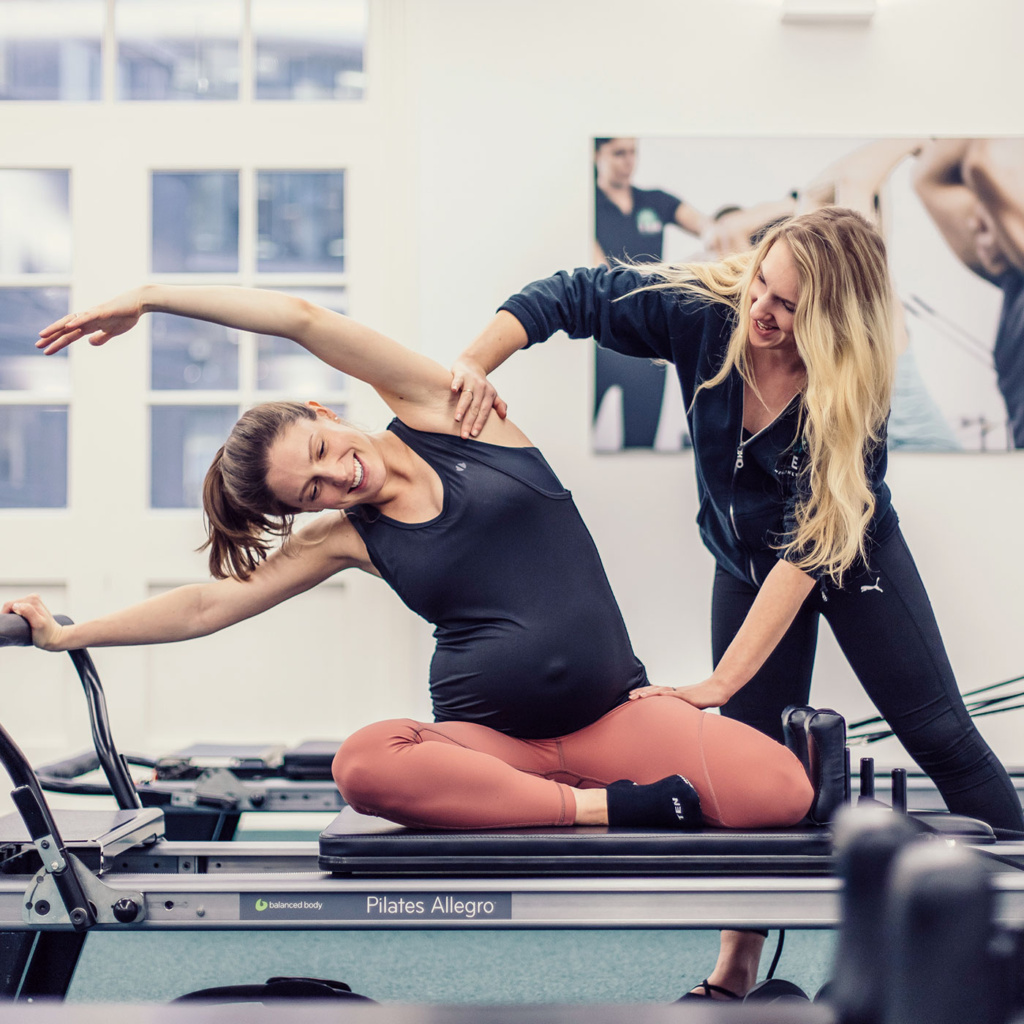
Why come to a Prenatal Class?
Pregnancy is a time of significant change for the body. With a focus on core stability, strength and overall fitness, our PreNatal classes are an excellent way to help your body cope with the changes you’re undergoing and prepare it for the stresses to come.
However if you prefer to continue attending standard classes, you can do so once you’ve completed a Prenatal Assessment and in line with our prenatal guidelines.
What will it be like?
Varied, and less intense than our standard classes. PreNatal classes are structured around the changing requirements of a developing pregnancy to provide an effective workout from the first trimester through to full term, all the while staying completely safe for mother and baby.
Please note that, as with all our Reformer-based classes, you will need to wear gripsocks for this class. (If you don’t have any, they are available to buy at Reception.)
Results & Benefits
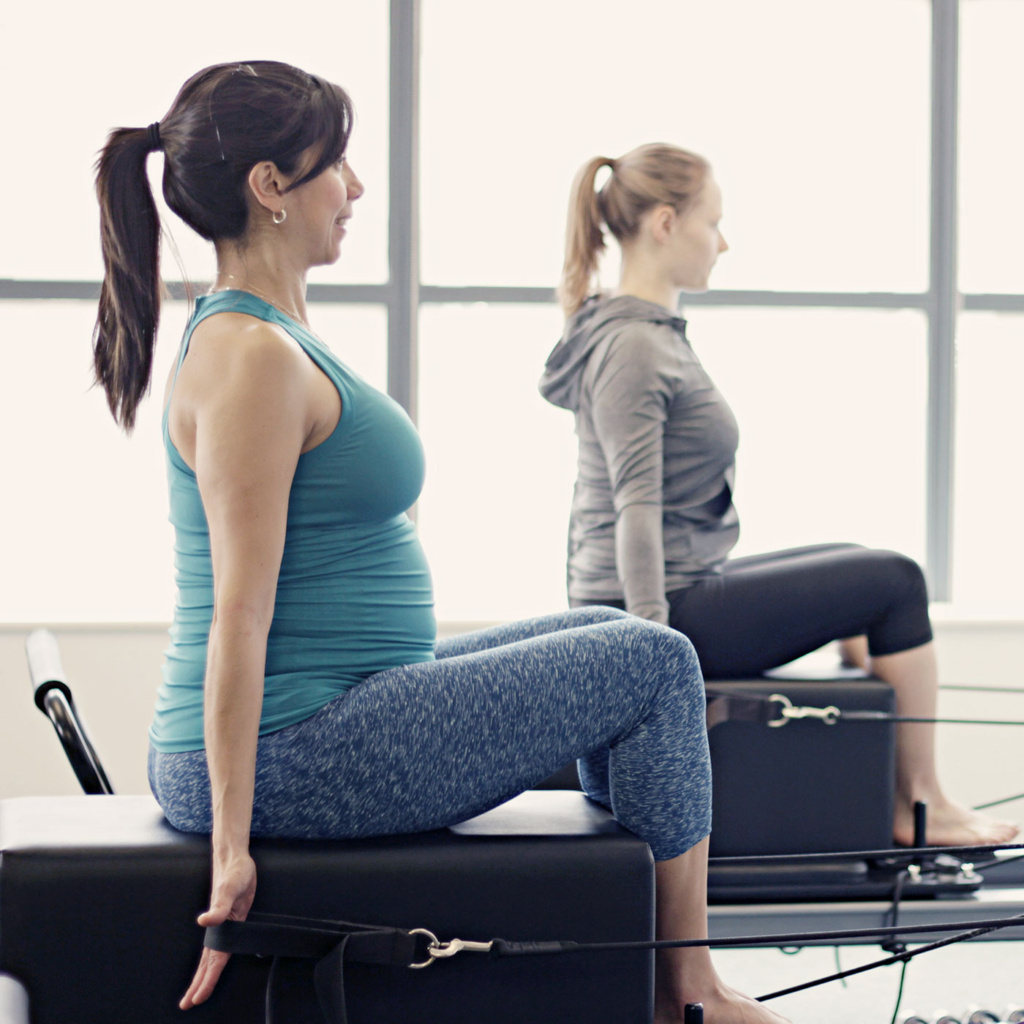
By retraining your muscles to activate properly, you will be able to cope more easily with the rigours of labour and childbirth, and the demands of the months to follow.
The classes will also help boost your immune system and circulation, and provide the energy levels needed to enjoy your pregnancy more fully and prepare better for labour.
What’s more, attending classes throughout pregnancy will help you get back in shape faster after childbirth.
Find out more about how we can support your journey, from Prenatal and Postnatal Physiotherapy to Prenatal and Postnatal Massage.
New Specialist Prenatal Class
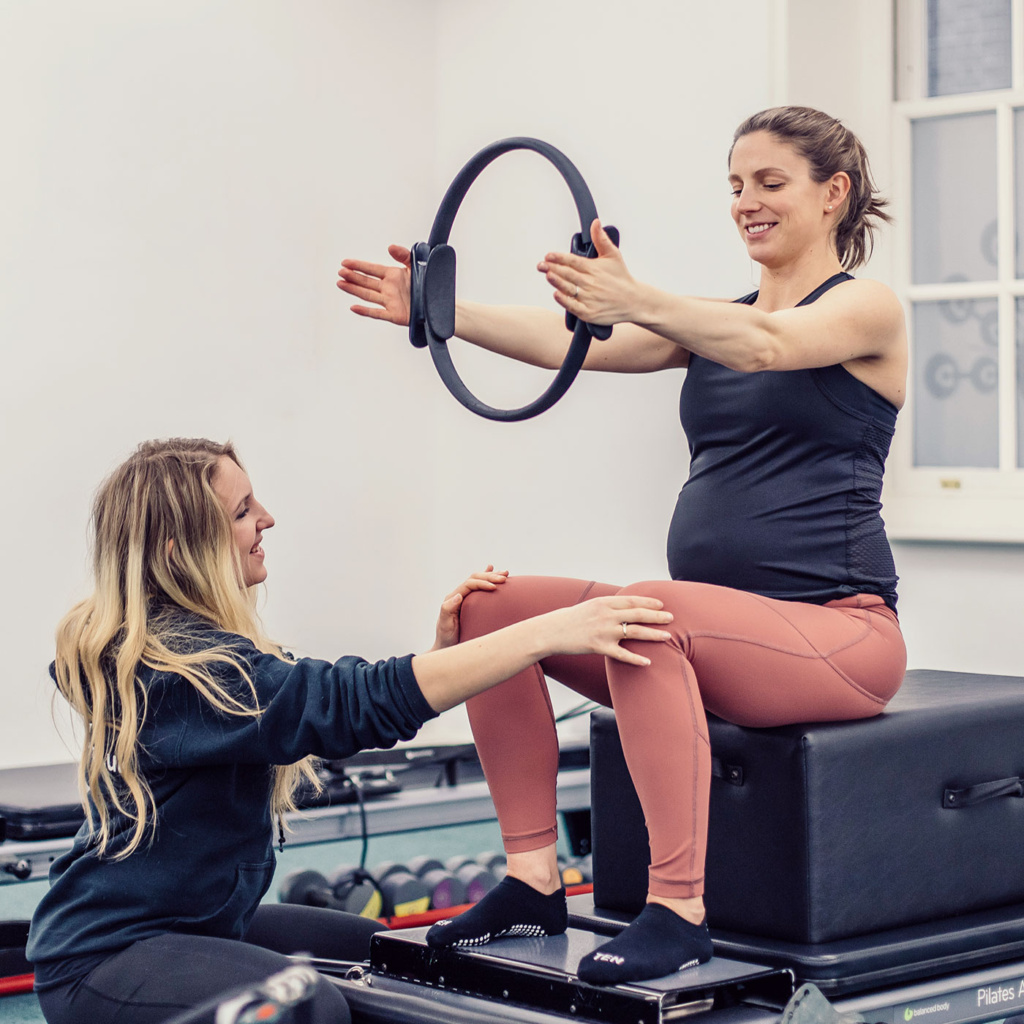
Prepare for birth with confidence in our expert-led prenatal class, designed and delivered by a specialist pelvic health physiotherapist. Learn how to support your body through pregnancy, birth, and recovery with tailored exercises, evidence-based guidance, and personalized support. This class empowers you with the knowledge to feel strong, fit, and in control every step of the way.
Our Specialist Prenatal Class is a specifically designed, circuit-based class that includes a mixture of reformer-based exercises and mat-based and functional strengthening. Our exercises will challenge you safely, with our expert physiotherapists guiding you through your pregnancy workout.
13 – 28 weeks:
You are welcome to join our specialist prenatal classes, after completing a Prenatal Class Assessment with one of our specialist pelvic health physiotherapists. (Please note, permission to join classes will be at your Pelvic health physiotherapists discretion).
Safely return to classes after your pregnancy
If you’re looking to return to exercise, we’re here to help you.
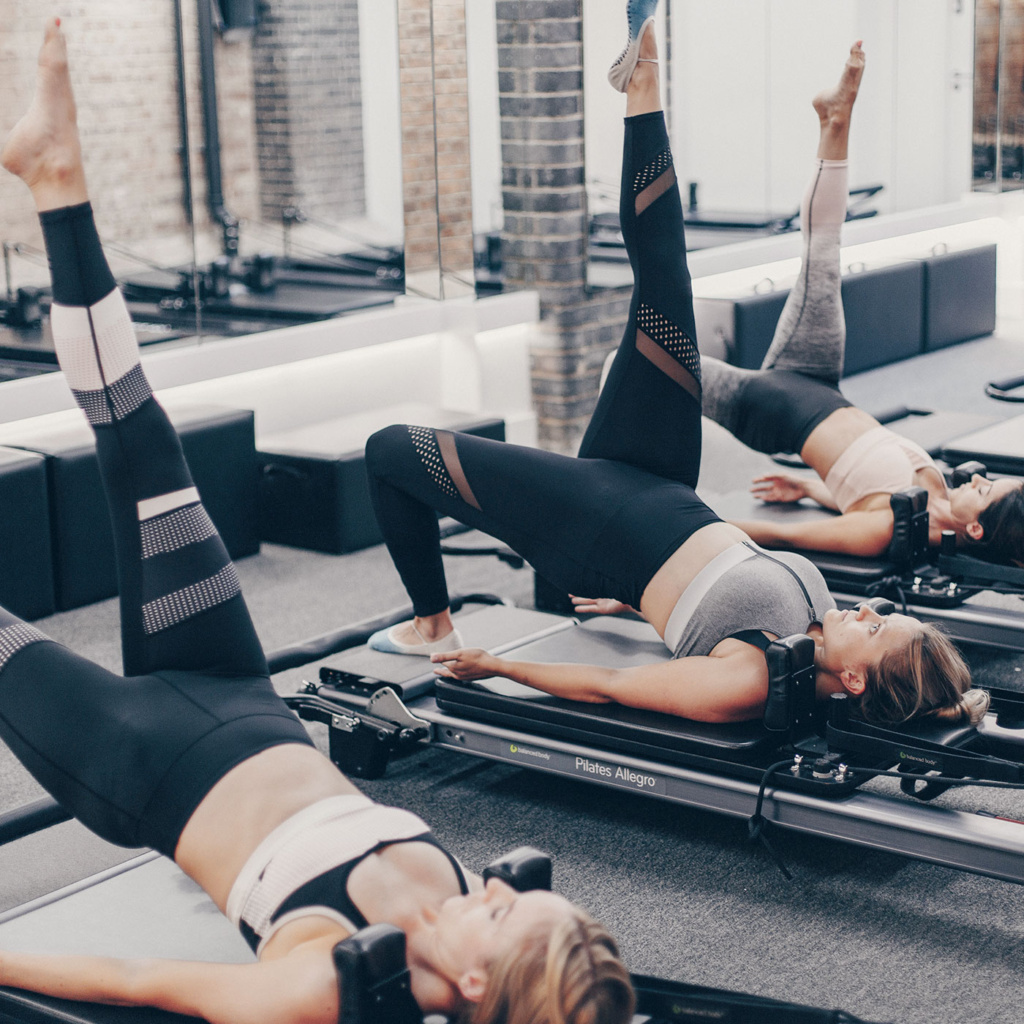
Our classes offer a safe and effective way to recover from pregnancy and childbirth – helping you regain your abdominal strength, realign imbalanced posture and reduce scar tissue.
The classes also provide both mental and physical benefits that allow new mums to cope better with the demands of motherhood. Not only do they help your body adapt to the postural demands of caring for a newborn, they also help to manage stress at a time of significant change.
When you’re ready, we’d love to see you in the Studio. You can begin exercising with us again (Beginners classes only initially) once your Doctor has given you the go-ahead. Please note that we follow the official recommendation for recommencing Pilates; a minimum of 6 weeks for a natural birth and 8 – 12 weeks post caesarean.
Guidance for New Postnatal Clients
If you’re new to Ten, and you’re less than 6 months postnatal, we recommend booking a PT Session before your first class back.
FAQ
About Pre & Post natal Pilates
Still have questions? Read our full FAQs or contact our team, and we'll be happy to assist
-
Can I do Reformer Pilates while pregnant?
Yes, many clients continue Reformer Pilates during pregnancy, but some exercises will need to be adapted as your pregnancy progresses.
To train safely, all pregnant clients should complete a Prenatal Assessment by week 12. This helps our team recommend the right exercise modifications and class options for you.
Your instructor can then adapt exercises where needed, so you can continue training with confidence and the right support.
-
Can I attend standard Reformer Pilates classes while pregnant?
Yes, with guidance. Existing clients can often continue attending standard Reformer Pilates classes during pregnancy, but a Prenatal Assessment should be completed by week 12.
This helps us introduce the right exercise modifications at the right time and make sure your classes remain safe and appropriate.
As your pregnancy progresses, your instructor may recommend moving to Beginners, Prenatal Pilates or Personal Training sessions, depending on your needs.
-
Are Heart Monitors Required?
Yes, we strongly recommend using a heart monitor for beginners or intermediate classes while pregnant. Bring your own or purchase one at reception.
-
Which Reformer Pilates classes should I avoid during pregnancy?
Advanced Reformer Pilates classes are not recommended during pregnancy.
Intermediate classes may be suitable in the early stages, depending on your experience and how you are feeling. After week 12, most clients are advised to move into Beginners or Prenatal Pilates classes.
Your instructor can recommend the most appropriate option based on your experience, stage of pregnancy and any exercise modifications you may need.
-
Can beginners do Reformer Pilates while pregnant?
Yes, beginners can attend Reformer Pilates during pregnancy once they have completed a Prenatal Assessment.
New clients can usually start Prenatal Pilates or Beginners classes up to 28 weeks of pregnancy, subject to assessment approval. Starting Reformer Pilates for the first time during the third trimester is generally not recommended.
Your assessment helps us recommend the safest and most appropriate class option for your stage of pregnancy, experience and needs.
-
Can I start Reformer Pilates for the first time during pregnancy?
Often, yes.
Many people start Pilates during pregnancy.
However, timing matters.
New clients can usually begin up to 28 weeks of pregnancy following a Prenatal Assessment.
Starting for the first time during the third trimester is generally not advised.
This is because the body is already undergoing significant physical changes and adaptation.
-
When is it not recommended to start Reformer Pilates during pregnancy?
If you have never attended Reformer Pilates before, it is generally not recommended to start during the third trimester.
This applies from week 29 onwards.
If you’re unsure whether Pilates is appropriate for you, speak to your healthcare professional and our team before booking.
-
How often should I do Pilates during pregnancy?
How often you should do reformer pilates during pregnancy, varies from person to person. Your training frequency will depend on your fitness level, medical history and stage of pregnancy.
Some clients continue several times per week. Others benefit from a reduced schedule as pregnancy progresses.Your trainer will help you decide what is appropriate for you.
-
When can I return to Reformer Pilates after having a baby?
Most clients can return to Reformer Pilates once they have medical clearance from their doctor or healthcare provider.
As a general guide, this is usually:
– At least 6 weeks after a vaginal birth
– Around 8 to 12 weeks after a caesarean birthEvery recovery is different, so it is important to return gradually and at a pace that feels right for your body. A Postnatal Assessment can help us recommend the safest and most appropriate way to return to class.
-
What is the best Pilates class after pregnancy?
Most clients begin with a Beginners Reformer Pilates class or a Postnatal Pilates programme.
This allows time to rebuild strength, stability and confidence after pregnancy in a safe and supported way.
Your instructor can recommend the most appropriate starting point based on your recovery, exercise history and postnatal assessment.
-
Is Reformer Pilates safe during pregnancy?
Yes, Reformer Pilates can be safe and effective during pregnancy when taught by a qualified instructor and adapted to your needs.
Exercises can be modified as your body changes, helping you maintain strength, mobility and body awareness throughout pregnancy.
A Prenatal Assessment helps ensure your programme is appropriate for your stage of pregnancy and individual circumstances.
-
What are the benefits of Reformer Pilates during pregnancy?
Reformer Pilates can help support your body throughout pregnancy.
Potential benefits include:
- Improved core support
- Better posture
- Increased mobility
- Improved balance and body awareness
- Reduced muscular tension
- Greater confidence in movement
Many clients also find Pilates helps them stay active comfortably as their pregnancy progresses.
-
Can Reformer Pilates help with back pain during pregnancy?
Often, yes. Many pregnant clients use Pilates to help manage back pain and muscular discomfort.
Reformer Pilates focuses on posture, movement control and strength around the spine and pelvis, which are commonly affected during pregnancy.
If you are experiencing significant or persistent pain, speak to your healthcare provider before exercising. A Prenatal Assessment can also help us recommend the safest approach for your needs.
-
Can I lie on my back during Reformer Pilates when pregnant?
Sometimes, your exercise positions may need to be modified as your pregnancy progresses.
For many clients, lying flat on the back for longer periods becomes less comfortable later in pregnancy. Your instructor will offer alternative positions when needed, so each exercise feels safe and appropriate for your stage of pregnancy.
-
Can I do Reformer Pilates after a C-section?
Usually, yes, once you have received medical clearance from your healthcare provider.
Most clients return around 8 to 12 weeks after a caesarean birth, although recovery timelines vary. When you are ready, exercises can be adapted to help you rebuild strength gradually and safely.
A Postnatal Assessment can help us recommend the most appropriate starting point for your recovery.