
April is Stress Awareness Month, but for most people, stress is not something that shows up once a year. It is part of daily life.
What is often missed is that stress is not just something you think or feel. It is something your body carries.
You might notice it as tight shoulders by the end of the day.
A jaw that is constantly clenched or teeth grinding at night.
Tension headaches that seem to come out of nowhere.
Shallow breathing that never quite lets you feel fully relaxed.
Or sleep that does not leave you feeling properly recovered.
These are not random symptoms. They are signs that your nervous system is spending too much time in a heightened, “on” state.
Your body is designed to move between stress and recovery. To rise to a challenge, then come back down. But for many people, that recovery phase is shortened or skipped entirely.
That is where problems start.
When your system stays switched on, muscles remain tense, breathing becomes less efficient, and your sensitivity to pain can increase. Recovery slows down. Small issues start to linger. Things that would normally resolve quickly begin to stick around.
This is why rest alone does not always fix the problem.
Recovery is not just about stopping. It is about helping the body shift state.
This is where massage can play a powerful role.
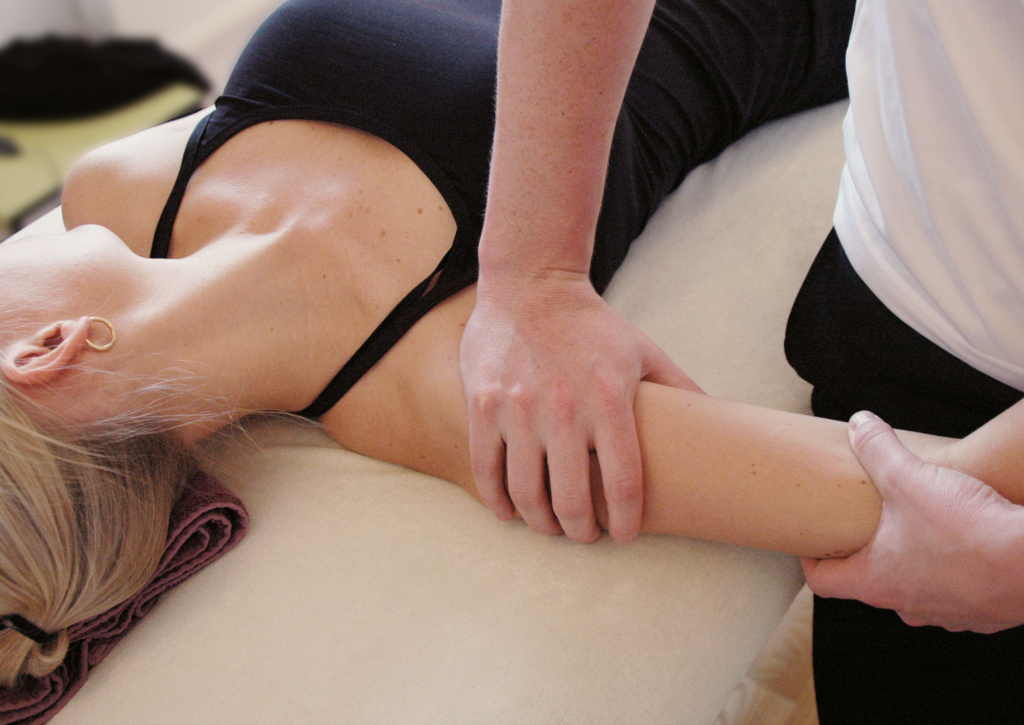
The right kind of hands-on treatment does more than work into tight muscles. It gives your nervous system a reason to down regulate. Heart rate slows. Breathing deepens. Muscle tone begins to reduce.
This shift is often why people notice they sleep more deeply after a session. And that matters more than most realise, because sleep is where the body does the bulk of its repair work.
Better sleep means better recovery.
Better recovery means better movement, better performance, and fewer injuries.
But it is not just about what happens on the treatment bed.
A good session also helps you recognise how stress is showing up in your own body. You start to notice patterns earlier. You catch the jaw clenching, the shoulder tension, the breath holding, before it builds into something more significant.
From there, small changes become possible.
That might be something as simple as improving how you breathe during the day. It might be adjusting how you recover after training. Or it might be recognising when your body needs support, rather than pushing through.
At Ten, we look at stress as part of the bigger picture.
Massage is one way to support your nervous system. Pilates helps you move and breathe more efficiently. Physiotherapy and clinical exercise rebuild strength and resilience.
When these work together, you are not just managing stress. You are changing how your body responds to it.
Because stress is not going anywhere.
But how your body handles it can.