Services
Experience Physiotherapy, the Ten way
We offer a range of physiotherapy services at Ten to help you return to natural, effective, functional movement and a healthy, happy, pain-free life.

About Physiotherapy at Ten
At Ten, there is no one-size-fits-all approach. We fully embrace the fact that everyone is different. That’s why we provide a truly bespoke service, creating realistic, individual plans for your recovery. Which means looking beyond your injury. We assess your diet, sleep, stress levels, and hydration, along with anything and everything else that could have a bearing on getting you well. We don’t just treat symptoms, we focus on underlying causes.
Our Physiotherapists have extensive knowledge of anatomy, physiology and biomechanics. They know the best medical experts to refer you to, and we regularly receive referrals from leading Consultants and Surgeons, helping their patients to better prepare for surgery and enabling them to make a quicker and more complete recovery.
In short, our service is different from most others. Unlike the conventional Physiotherapy model, our Therapists don’t work in isolation. Instead, they collaborate closely with Ten’s Rehab Specialists, Massage Therapists and Trainers. As a result, we're better equipped to relieve pain, stiffness and dysfunction, resolve the underlying cause, restore strength and mobility, and help you stay that way.
Our goal is for you to become stronger, happier and healthier. Ultimately, we’re all about restoring your freedom. So whether you’re looking for freedom of movement or freedom from pain, we’re here for you and we’d love to help.
Our Method
How We Treat You
RELIEVE
Our first priority is to provide relief. Wherever possible, we do our best to have an immediate impact on your pain, discomfort or mobility issues. We never forget that you’re the one with first-hand knowledge of your problem. By listening to what you have to say about it, and your understanding of its physical and emotional effects, we’re perfectly placed to help relieve your issue and provide advice and guidance on its home management.
- Listen-First Approach
- Bespoke Support
- Education
- Manual Therapy
- Dry Needing
- Home Healing Management
- Soft Tissue Treatment
- Acupuncture
- Mobilisation
REHABILITATE
Having attended to the more immediate problem of relief, our Physiotherapists move beyond the treatment of symptoms to find and address the root causes of your issue. With extensive knowledge of anatomy, physiology and biomechanical correction, enhanced by state-of-the-art equipment and techniques, our therapists can advise and guide you on your road to rehabilitation and recovery.
- Strengthening
- Biomechanical Correction
- Scar Massage
- Video-Based Exercise Programme
- Foundational Gait Analysis
- Objective Force Testing
- Data-Driven Care
- Progress Tracking
- Postural Correction
- Gym-Based Exercise
REINFORCE
Whether you’re recovering from injury or not, our aim is always to help you live healthier, happier and stronger throughout the whole of your life. That’s why our ‘whole-life’ support is about constant optimisation. Drawing on the expertise of Ten’s multidisciplinary team, we’ll give you an ongoing, long-term strategy for building strength and promoting restoration.
- Strength And Conditioning
- Evidence-Led Approach
- Progress Tracking
- Performance Gait Analysis
- Performance Enhancement
- Data-Driven Goals
- Preventative Programme Planning
- Peak-Performance Planning
- Reformer Pilates
- Circle Of Care
Chartered & Regulated
All of our physiotherapists are Chartered, which means they are governed by the
Chartered Society of Physiotherapy and adhere to professional standards, including
the CSP’s Rules of Professional Conduct. Additionally, all physiotherapists are
registered with the Health and Care Professions Council, an independent UK-wide health regulator.
Our Approach
State of the art equipment
Our clinics are equipped with some of the latest assessment, diagnosis and treatment technologies, enabling our Physiotherapists to continually enhance treatment effectiveness and improve patient outcomes.
-
VALD FORCE PLACE TESTING
Force Plate testing brings new capabilities to rehab, prehab and performance-based programmes, allowing our Physios to accurately identify weakness and imbalances in stability, strength and movement. By providing precise, real-time data, they not only enable our Physios to assess and correct compensatory movement patterns, but also show clearly how - and how well - you’re improving.
-
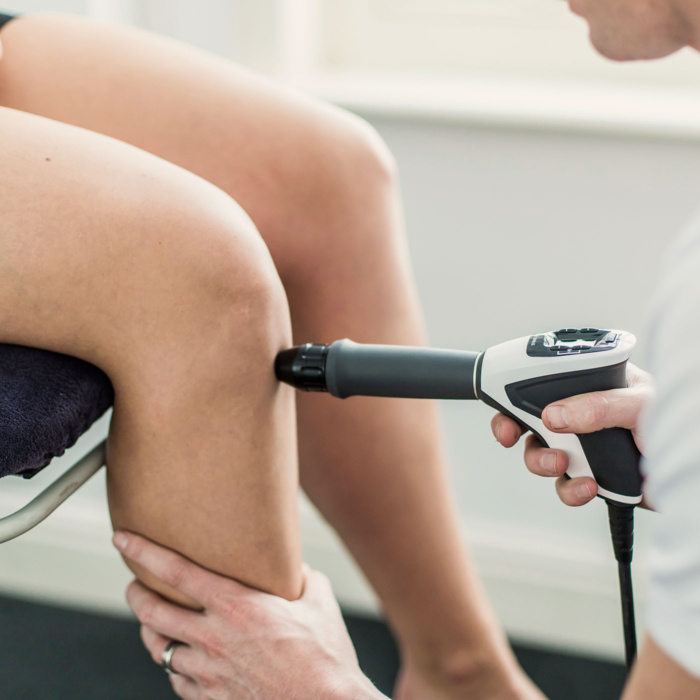
SHOCKWAVE THERAPY
Shockwave Therapy is increasingly offered by top Physiotherapy clinics to reduce pain and discomfort, and improve both the speed and the extent of recovery. As part of an overall treatment plan, this clinically proven and non-invasive sound treatment is often used as an alternative to surgical intervention.
-
DIAGNOSTIC ULTRASOUND ASSESSMENT
Our point of care ultrasound service combines your physiotherapy examination with real-time, ultrasound imaging. This allows us to observe tissue behaviour during movement and better understand how your biomechanical structure responds to stress, allowing us to provide you with more precise and efficient care.
THINGS TO CONSIDER
HOW TO GET STARTED

-
1 START WITH AN INITIAL PHYSIOTHERAPY ASSESSMENT
Regardless of what you may or may not know about your condition already, we always recommend starting with an Initial Consultation. This helps us to ensure we have enough time to clearly understand your starting point and your unique circumstances, and it allows us to begin treating you from your first session.
-
2 IF YOU HAVE PRIVATE MEDICAL INSURANCE
Always contact your provider in advance to get pre-authorisation for your condition. We work with the majority of private medical insurers and we can bill them directly, but you’ll need an authorisation code to secure your bookings.
This code also tells your Physiotherapist how many sessions you’ll be covered for, so that they can provide a clearer expectation of what your treatment plan will look like.
-
3 ARRIVE PREPARED
Initial assessments with our Physiotherapists are your opportunity to share the history of your injury and any concerns or challenges you have, so the Physio can understand the nature and severity of your condition or injury. If you have any relevant notes, scans or referrals letters, your Physiotherapist will find these helpful.
Bring something suitable to wear, such as shorts or activewear. Your Physio will need to assess the area, so the appropriate clothing will better allow them to do that.
Insurance Information
Ten is recognised by most major private health insurance companies for Physiotherapy treatment.












FAQ
GOT QUESTIONS?
WE’VE GOT ANSWERS!

Still have questions? Read our full FAQs or contact our team, and we'll be happy to assist
-
How do I know if I need physiotherapy?
You may need physiotherapy if you are in pain or struggling to move normally. Physiotherapy is often recommended after a GP, surgeon or trainer referral. It can also help if an injury is not improving over time, causing you pain or restricting your mobility.
Physio is not only for injuries. It is also used for posture-related pain such as back and neck issues. It can identify movement weaknesses that may lead to future injury. Many people also use physiotherapy as part of ongoing physical maintenance. This is sometimes called prehabilitation. If you're unsure, you can speak to one of our physiotherapists for free advice.
You may need physiotherapy if you are in pain or struggling to move normally. Physiotherapy is often recommended after a GP, surgeon or trainer referral. It can also help if an injury is not improving over time, causing you pain or restricting your mobility.
Physio can also help before something becomes a bigger problem. It is often used for posture-related pain, including back and neck issues, as well as areas of weakness, stiffness or reduced movement that could increase your risk of injury. Many people also use physiotherapy as part of their ongoing physical maintenance, helping them stay active, move well, and train consistently. This preventative approach is often known as prehabilitation.
If you’re unsure, you can speak to one of our physiotherapists for free advice.
-
What conditions or injuries can physiotherapy help with?
Physiotherapy can help with pain, stiffness, injuries and movement problems affecting the muscles, joints, ligaments, tendons and nerves. The aim is to help you move more comfortably, reduce pain, rebuild strength and support recovery after injury or surgery.
People often come to us for help with:
- Back and neck pain
- Sports injuries
- Joint pain or stiffness
- Muscle strains and sprains
- Postural problems
- Recovery after surgery
- Reduced mobility or restricted movement
- Overuse and repetitive strain injuries
- Work-related aches and pains
Physiotherapy can also be useful before problems become more serious. It can help identify weaknesses, tightness, or movement habits that may increase your risk of injury, and support better performance if you train regularly or play sports.
-
What happens in a physiotherapy initial assessment?
Your first physiotherapy session includes four parts. First, a discussion about your symptoms, history and lifestyle. Second, a physical assessment of movement, strength and mobility. Third, goal setting based on what you want to achieve. Fourth, a treatment plan and next steps.
Your physiotherapist may use hands-on assessment techniques where appropriate. They may also assess posture, joint movement and muscle control. You will leave with a clear plan tailored to your condition. This may include exercises, manual therapy or activity modifications.
-
What should I wear to a physiotherapy appointment?
You should wear comfortable clothing to your physiotherapy appointment so you can move freely. Sportswear is ideal. You may be asked to expose the area being assessed. This helps your physiotherapist see how your body moves. You will always be asked for consent first. Changing rooms are available at all locations if needed.
-
How many physiotherapy sessions will I need?
The number of physiotherapy sessions you need will depend on what we are treating, how long the issue has been there and how your body responds once treatment starts.
Recovery time varies based on:
- Type of injury
- Severity
- Age and health
- Activity levels
- How consistently you follow your exercise plan
Most people need between 6 and 12 sessions. Some conditions require fewer sessions, whilst others need longer-term support. Your physiotherapist will review your progress regularly and adjust your plan.
-
Can I book physiotherapy with private health insurance?
Yes, you can book physiotherapy at Ten with Private Health insurance. We work with most major health insurers, including Bupa and AXA PPP. You will usually need pre-authorisation from your insurer before booking. This includes a code or approval reference. You may also need your membership or policy number. Your insurer can confirm exactly what is required before your appointment.