One of the most common questions people ask when they discover reformer pilates is: “How many classes should I do a week?” The short answer is that you should aim for two to three sessions per week to see meaningful changes in strength, flexibility and posture, but the right frequency depends on your goals, experience level and lifestyle. Whether you’re seeking a leaner body, improved back health, athletic performance or simply a new way to move, this guide explains how to structure your practice for the best results. It draws on the experience and evidence from our pilates experts and reputable health resources and adapts those recommendations to Ten’s unique approach.
Quick takeaways
- General guideline: For most people, 2–3 reformer Pilates sessions per week provide enough stimulus for your body to adapt while allowing time for recovery and other activities. Evidence from Pilates studios and physiotherapy clinics suggests that practising twice or three times weekly produces steady improvements in posture, core strength and muscle tone.
- For beginners: Starting with two sessions per week lets you learn correct technique and adjust to the equipment. Consistent practice at this frequency often leads to noticeable improvements in strength and posture within 3–5 weeks.
- Intermediate or advanced: Once you’re comfortable with the basics, you can increase to three or four sessions per week, especially if you’re aiming to build muscle, improve endurance or cross‑train for other sports. High‑intensity reformer classes (like Ten’s Jumpboard Pilates) should be limited to twice a week to avoid over‑taxing your body.
- Rehabilitation & back pain: For rehab or back‑pain relief, 1–3 sessions per week under the supervision of a certified instructor or physiotherapist are appropriate.
- Active recovery matters: Recovery days are essential. Balance your Pilates practice with gentle movement; walking, swimming or Ten Stretch classes to support muscle repair and prevent over‑training.
Why reformer Pilates frequency matters
Reformer Pilates uses a movable carriage and adjustable spring resistance to create a full‑body workout that targets muscles you didn’t even know existed!
The discipline emphasises control, alignment and breath, making it a powerful tool for building strength without the high‑impact stresses of traditional gym workouts. Customer research and instructor experience shows that frequency and consistency are key to seeing benefits:
- Consistency is crucial, and without regular practice, it’s challenging to build the neuromuscular control that makes Pilates so effective.
- Again, with 2–3 times per week, you’ll notice improvements in strength and flexibility within around 10 sessions, and general fitness goals are achieved with 2–3 sessions per week.
Tailoring your routine to your goals
The correct number of classes each week depends on what you’re hoping to achieve. Below you’ll find goal‑oriented advice, drawing on evidence‑based guidance and Ten’s expertise.
Mobility & general fitness
If you’re new to reformer Pilates or want to enhance everyday mobility, start with 1–2 sessions per week.
Recommendations:
- Begin with a Beginners Dynamic Reformer or Classical Equipment session to learn proper setup, spring tensions and breathing techniques. Ten’s beginner classes are designed by physiotherapists to ensure safe alignment for first‑timers.
- Supplement your reformer practice with gentle activities like walking, swimming or cycling on non‑Pilates days to keep your body moving without overloading your muscles.
Rehabilitation & back‑pain relief
Reformer Pilates is widely used by physiotherapists and rehabilitation specialists for back pain, post‑surgery recovery and injury prevention. Because the machine supports and guides the body, it allows you to strengthen stabilising muscles without the impact of free weights. We suggest around 1–3 sessions per week for rehabilitation with support from one of our qualified instructors or physiotherapists.
Recommendations:
- Consult a professional: If you’re recovering from injury or managing chronic pain, book a 1‑to‑1 assessment with a physiotherapist or qualified instructor before joining group classes. Ten’s clinical Pilates sessions are supervised by musculoskeletal specialists who tailor spring tensions and exercises to your needs.
- Complementary therapies: Gentle stretching, restorative yoga or targeted massage can aid recovery. Incorporating sports massage helps ease tight muscles and address imbalances, speeding recovery and reducing injury risk.
Strength, fat loss & muscle gain
Reformer Pilates may look gentle, but it’s a form of resistance training that can build lean muscle and promote fat loss. Intermediate to advanced clients benefit from 3–4 sessions per week when focusing on strength or body composition goals.
Recommendations:
- Mix session intensities: To build strength and endurance without over‑training, alternate between Ten’s signature Dynamic Reformer classes and higher‑intensity options like Jumpboard Pilates or our strength & conditioning personal training sessions. Limit high‑intensity sessions to two per week and complement them with moderate sessions for balance.
- Focus on progressive overload: Challenge yourself by increasing spring resistance, experimenting with props (magic circles, balls or resistance bands) and refining your technique. Progression is more effective than simply adding more sessions.
- Combine with cardio and nutrition: For fat‑loss goals, pair your pilates practice with cardio workouts and a balanced diet. Studies suggest that integrated approaches to exercise and nutrition deliver better weight‑management results.
Athletic performance and cross‑training
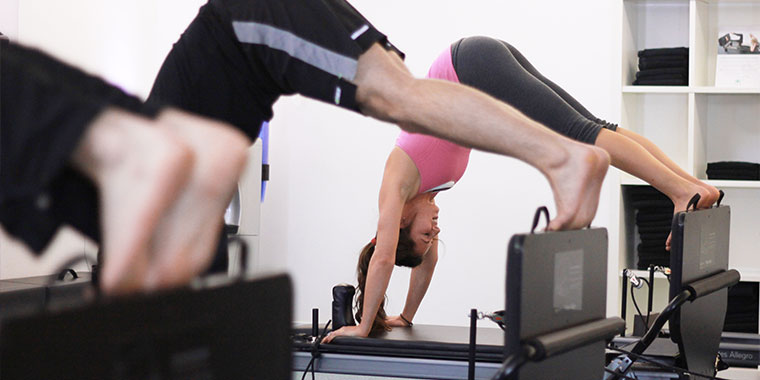
Many athletes use reformer Pilates to improve core stability, balance and flexibility, qualities that translate to running, cycling, swimming or field sports. We recommend 1–3 sessions per week to complement an existing training schedule. For athletes, reformer work can correct muscle imbalances, enhance neuromuscular control and reduce injury risk.
Recommendations:
- Prioritise core stability: Reformer exercises that challenge balance and unilateral strength enhance stability needed for efficient power transfer in sports.
- Schedule smartly: Plan Pilates sessions on active recovery days or lighter training days so they enhance rather than interfere with your primary training.
- Avoid burnout: Athletes already handle high training volumes; adding more exercise can lead to over‑training. Listen to your body and work with an instructor to adjust intensity.
Pre‑ & postnatal, older adults and special populations
Reformer Pilates is adaptable for different life stages and abilities. For expectant mothers, gentle pregnancy pilates can maintain strength and mobility without placing excessive strain on joints. Pilates is a low‑impact form of exercise that requires less recovery time and can be performed more frequently than other workouts.
Recommendations:
- Pre‑ & postnatal: With medical approval and a certified instructor, aim for 1–2 sessions per week focusing on pelvic floor activation, hip stability and breathing.
- Older adults: Start with 1-2 sessions per week, also emphasising joint mobility, balance and gentle strength. Consider combining reformer work with mat classes or water aerobics.
- Medical conditions: Always consult your healthcare provider and work with a professional. Ten’s clinical and physiotherapy services provide personalised programmes for those with chronic conditions or recent surgeries.
When will I see results?
Your progress depends on consistency, nutrition, sleep, stress levels and starting fitness. However, several sources provide general timelines:
- 4–6 weeks: Many beginners notice improvements in posture, core engagement and movement awareness within 4–6 weeks of practicing two or more times per week.
- 8–12 weeks: More dramatic changes, such as increased muscle tone, improved flexibility and reduced back pain, often appear after 8–12 weeks of consistent practice.
- Longer term: Joseph Pilates famously said, “In ten sessions you will feel the difference; in twenty you will see the difference; in thirty you’ll have a whole new body.” Modern instructors agree that 10 sessions or more spread over four to six weeks is are usually enough to notice a difference, provided you pay attention to form and breathe correctly.
Benefits of reformer Pilates
Reformer Pilates isn’t just about how many classes you can squeeze into your week; it’s about the quality of each session and the comprehensive benefits you gain.
- Improved core strength: The springs and carriage create constant resistance, engaging the deep abdominal and back muscles that form the body’s “powerhouse.” Strengthening these muscles improves posture and reduces strain on the spine.
- Increased flexibility and mobility: Reformer exercises lengthen muscles while building strength, improving joint range of motion and reducing injury risk.
- Better posture and alignment: Focusing on alignment helps you develop awareness of how you move and sit throughout the day. Many clients report standing taller and feeling more balanced after a few weeks.
- Low‑impact, full‑body workout: Because the machine supports your body weight, reformer pilates is gentle on joints and suitable for people of all ages, including older adults and pregnant women. It targets all major muscle groups without the pounding associated with running or jumping.
- Enhanced mind‑body connection: Concentrating on breath, control and precision fosters mindfulness and reduces stress.
- Injury prevention and rehabilitation: Controlled movements improve muscle balance and stability, helping prevent injuries and supporting rehabilitation.
- Cross‑training benefits: Improved core stability and flexibility translate to better performance in other sports and daily activities, from running marathons to lifting groceries.
Technique and quality: focus on form
Although frequency matters, how you practise matters more. Poor form can reduce effectiveness and increase injury risk. Ten’s coaches emphasise the following principles:
- Controlled movement: Each exercise should be performed with precision. Rushing through workouts or using momentum undermines results. Slowing down allows you to engage deep stabilisers and develop true strength.
- Breath and alignment: Coordinating inhalations and exhalations with movement helps activate the core and maintain proper spinal alignment. Keep your shoulders relaxed and ribs closed to avoid arching your back.
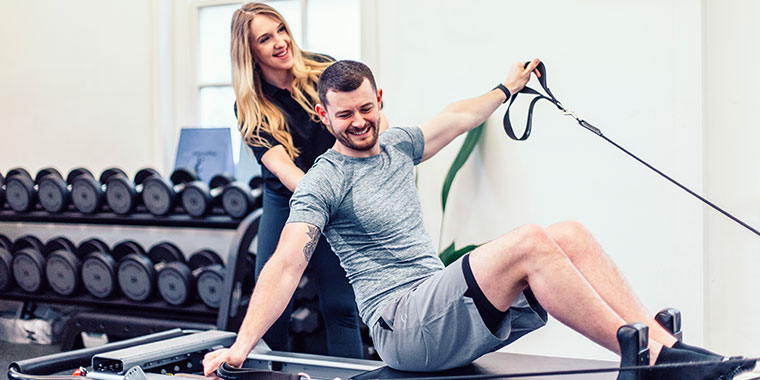
- Progressive resistance: Adjust spring tension according to your ability. Lower springs provide less resistance but demand more control and stability; heavier springs build strength but can encourage compensations if you’re not careful. Consult your instructor about how to modify springs for each exercise.
Active recovery and rest
Just because Pilates is low impact doesn’t mean your body doesn’t need rest. Recovery is when muscles repair and strengthen. Without adequate rest, over‑training can lead to fatigue, lingering soreness and plateaus. Signs of over‑training include persistent aches, disrupted sleep and decreased performance. To avoid these problems:
- Schedule recovery days: Alternate intense or challenging reformer sessions with gentler classes or rest.
- Listen to your body: If you’re unusually fatigued or sore, take an extra recovery day.
- Support recovery with sleep & nutrition: Quality sleep and balanced nutrition are fundamental to muscle recovery and overall well‑being.
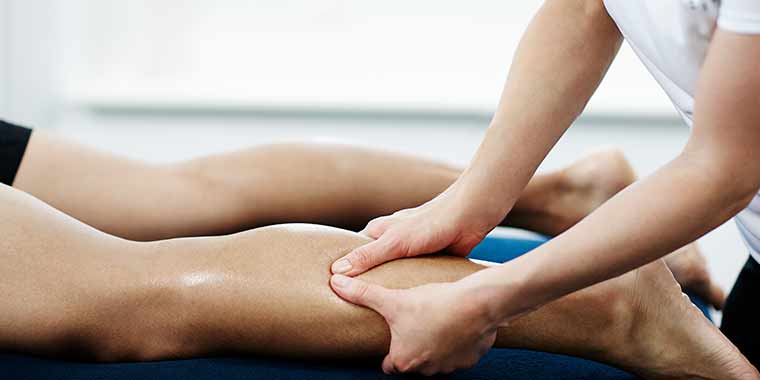
- Incorporate massage and mobility work: Regular sports massage can ease tight muscles, address imbalances and speed recovery.
Sample weekly schedules
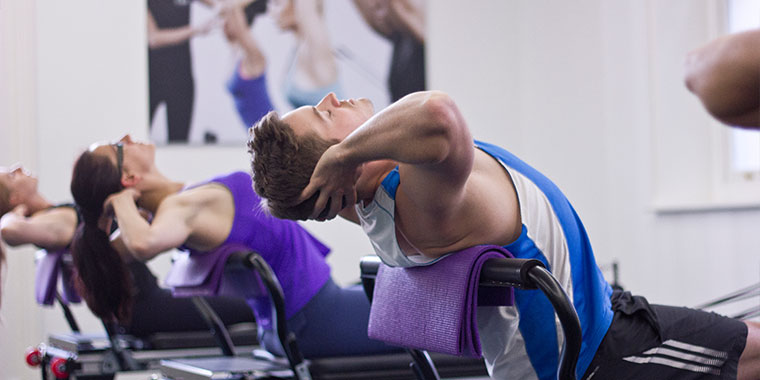
Below are a few illustrative weekly routines tailored to different goals. These schedules mix class intensities to maximise benefits while allowing adequate recovery. Adjust the days to fit your own timetable.
Beginner focused on general fitness
- Monday: Beginners Dynamic Reformer class (focus on basics)
- Tuesday: Rest or gentle walk
- Wednesday: Stretch Pilates or yoga (flexibility and core)
- Thursday: Dynamic Reformer (lighter springs, technique)
- Friday: Rest or gentle walk
- Saturday: Optional cardio
- Sunday: Rest
Strength & muscle gain
- Monday: Dynamic Reformer (full‑body strength)
- Tuesday: High‑intensity Jumpboard Pilates (cardio and power)
- Wednesday: Active recovery – Ten Stretch
- Thursday: Dynamic Reformer (core & upper‑body focus)
- Friday: HIIT or gym strength training
- Saturday: Rest or gentle cycle
- Sunday: Restorative yoga or massage
Rehabilitation & back‑pain relief
- Monday: One‑to‑one reformer session with physiotherapist (alignment)
- Tuesday: Rest
- Wednesday: Clinical Pilates group class (low intensity)
- Thursday: Rest or gentle walking
- Friday: Ten Stretch class (mobility and myofascial release)
- Saturday: Rest
- Sunday: Mindful breathing and light stretching at home
Athletic cross‑training (runner/triathlete)
- Monday: Core‑focused reformer session (stability)
- Tuesday: Running or cycling workout
- Wednesday: Ten Stretch or yoga (active recovery)
- Thursday: Power‑focused reformer session (Jumpboard)
- Friday: Long run or swim
- Saturday: Rest
- Sunday: Moderate reformer session (balance and flexibility)
Use these templates as a starting point; adapt the sequence and frequency based on how your body feels and what your schedule allows.
Frequently asked questions
Is one reformer Pilates class per week enough?
One session per week can help maintain mobility and provide a break from your routine, but most instructors agree that 2–3 sessions per week are needed for significant progress in strength, posture and flexibility.
Can I do reformer Pilates every day?
Technically, yes—reformer Pilates is low impact and can be practised daily if sessions vary in intensity and focus. However, daily practice isn’t necessary for most people, and it can lead to over‑training if you consistently push yourself. Instead, alternate between challenging sessions, moderate sessions and active recovery to allow muscles to recover and adapt.
How long should a session last?
Most reformer classes last 30–60 minutes. Quality of movement is more important than duration; a focused 45‑minute session with excellent form will yield better results than a 90‑minute session performed mindlessly. Ten’s classes typically run for 50 minutes, balancing challenge and recovery.
Should I combine reformer Pilates with other workouts?
Absolutely. Reformer Pilates complements cardio and strength‑training programmes by strengthening the core and improving mobility. For weight‑loss goals, combining Pilates with aerobic exercise and a balanced diet increases effectiveness. Many clients alternate reformer sessions with running, cycling, swimming or weight training, using Pilates to enhance alignment and reduce injury risk.
What’s the difference between reformer and mat Pilates?
Mat Pilates uses body weight and small props on the floor, while reformer Pilates employs a carriage, springs and pulleys. The reformer provides adjustable resistance, assistance and feedback, enabling a broader variety of exercises and accommodating a wider range of abilities. Mat classes are excellent for building core strength and can be done anywhere, but reformer work allows for more targeted muscle engagement and progressions.
Ten’s unique approach
Ten Health & Fitness stands apart in the Pilates world for several reasons:
- Physiotherapist‑designed programmes: Ten’s dynamic reformer classes are developed by physiotherapists who blend traditional Pilates principles with modern exercise science. This ensures that every workout is safe, effective and aligned with best practice.
- Variety of class styles: From Beginners Reformer to Jumpboard Pilates, Pre‑ and Post‑natal sessions and Clinical Pilates, Ten offers a wide range of options. This variety allows you to tailor your weekly schedule to your goals and to progress safely.
- Small class sizes & expert instructors: Ten emphasises quality instruction. Classes are capped to ensure instructors can provide hands‑on guidance, adjust spring tensions and correct alignment. Many instructors are physiotherapists or have advanced rehabilitation training.
- Circle of Care: Ten’s integrated services; physiotherapy, personal training, sports massage, assisted stretching and recovery—work together to support your goals. If you need a tailored programme or help with an injury, Ten’s clinicians can guide you from treatment back to training.
- Convenient locations & online options: With studios across London and an online platform, you can choose in‑person classes or live‑streamed sessions to suit your schedule.
Final Thoughts
There is no one‑size‑fits‑all answer to the question, “How many reformer Pilates classes should I do a week?” Most people will benefit from two to three sessions per week, but your ideal frequency depends on your goals, experience and the demands of your life. Focus on quality over quantity, listen to your body, and integrate rest and cross‑training for a balanced routine.
Reformer Pilates offers far‑reaching benefits: improved core strength, flexibility and posture; enhanced athletic performance; and effective rehabilitation and injury prevention. With Ten’s physiotherapist‑designed classes and comprehensive support services, you can craft a routine that helps you move better, feel stronger and perform at your best. Whether you’re beginning your Pilates journey or taking your training to the next level, Ten is here to help you find your perfect rhythm.


